TABLE OF CONTENTS:
PART I: Foundations – Two Ways Of Seeing The Self
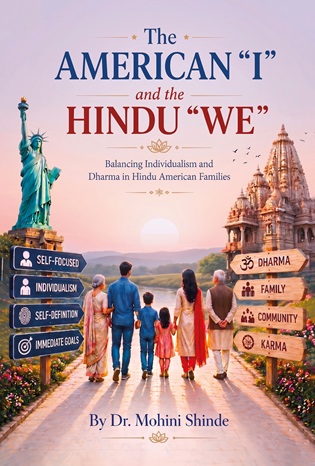
Chapter 1 Between “I” and “We” – The Civilizational Contrast
Chapter 2 Dharma at Home – Duty, Identity, and Moral Frameworks
Chapter 3 The Family as Identity – What the Household Represents
PART II: The Hindu Family In An American Culture
Chapter 4 Parents and Children- The Language of Expectations
Chapter 5 Authority, Autonomy, and the Changing Parent – Child Equation
Chapter 6 Achievement, Pressure, and Unspoken Agreements
Chapter 7 Respect Reconsidered-From Obedience to Understanding
PART III: Culture Without Context
Chapter 8 Faith Without Fluency- Religion Without a Native Language
Chapter 9 Rituals in a Time-Pressed Society
Chapter 10 Festivals and the Question of Relevance
Chapter 11 Temples, Bal Vihars, and Community as Cultural Mediators
PART IV: External Influences And Identity Pressures
Chapter 12 Media, Screens, and Competing Narratives
Chapter 13 Facing Stereotypes and Simplified Narratives
Chapter 14 The External Voices Shaping Identity
PART V: Relationships, Choices, And Cultural Continuity
Chapter 15 Love, Marriage, and the Negotiation of Values
Chapter 16 The Marriage Conversation – Tradition Meets Choice
Chapter 17 Hindu Grandparents in a Nuclear World
Chapter 18 The Sacred Transition – Aging Parents, Shifting Authority, and the Path of Dharma
PART VI: The Inner Journey Of The Next Generation
Chapter 19 The Quiet Dharma of Our Children
Identity Struggles of Young Hindu Adults in America
Chapter 20 The Great Launch and the Silent Karma –
Understanding the Deferred Questions of Our Adult Children
Chapter 21 The Sacred Thread of Belonging
Navigating Distance, Diaspora, and the Journey of Return
PART VII: Toward An Integrated Future
Chapter 22 Beyond Either – Or: Integration Over Conflict -The Path of the Modern Hindu Household
Chapter 23 Redefining Success – Individual Achievement vs. Collective Well-Being Chapter 24
Towards an Integrated Future